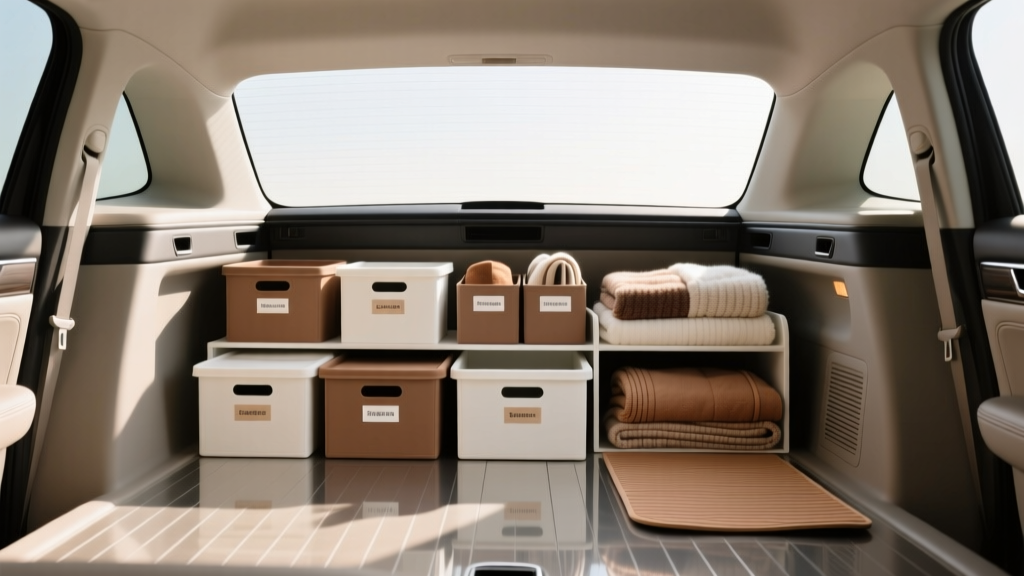
Trunk Organizer Setup: Seasonal Protection (2026)
Your trunk is the most abused ?room? in your car. It hauls groceries, sports gear, muddy boots, road-trip luggage, emergency supplies, and the occasional impulse buy that ?totally fits.? Then the seasons change and suddenly your perfectly fine trunk setup starts failing?items slide, moisture builds, plastic bins crack in the cold, or your summer supplies become useless dead weight.
Part 2 of this Seasonal Trunk Organizer Setup Protection Guide focuses on refining your system so it stays clean, quiet, safe, and ready year-round. The goal isn?t a showroom trunk that never gets used; it?s a practical setup that protects your interior, reduces mess, and keeps essentials accessible?whether you?re dealing with slush in winter, pollen and rain in spring, beach sand in summer, or muddy hiking season in fall.
If you?ve already got a basic organizer (or you?re starting from scratch), this guide will help you upgrade it with seasonal protection layers, smarter zoning, and a few pro-level habits that make a big difference over time.
Seasonal Trunk Protection: What Changes and Why
Seasonal shifts aren?t just about temperature. They change what you carry, how your cargo behaves, and what damages your trunk lining and interior trim.
Winter threats (salt, slush, condensation)
- Road salt and slush soak into carpet and can trigger odors and corrosion around seams and spare tire wells.
- Condensation happens when wet gear warms up inside the vehicle, then cools again?perfect recipe for mildew.
- Cold brittleness makes some plastic bins and cheap straps crack or lose tension.
Spring threats (mud, rain, pollen)
- Mud and wet sports gear cause stains and bacteria growth if they sit in carpeted areas.
- Pollen sticks to fabric trunk liners and becomes a persistent irritant.
Summer threats (heat, spills, sand)
- Heat warps thin plastics and can weaken adhesives on Velcro-backed organizers.
- Beach sand gets into carpet fibers and scratches plastic trims over time.
- Cooler spills create sticky residue and odors fast.
Fall threats (leaves, wet gear, sudden weather swings)
- Wet leaves hold moisture and stain carpeting.
- Hunting/hiking gear often brings dirt, plant debris, and sharp objects that can puncture trunk liners.
Build a Seasonal ?Layered? Trunk Setup (Protection + Organization)
A strong trunk setup works like clothing layers: a base layer for full-time protection, a mid-layer for organization, and a top layer you swap based on the season.
Layer 1: Base protection (the non-negotiables)
- All-weather cargo mat with raised edges (helps contain slush and spills).
- Seatback and sidewall protection if you fold seats often or carry dirty items.
- Spare tire well check (keep it dry and clean?hidden moisture lives there).
Real-world example: If you toss snow-covered boots and a wet shovel in the trunk after a storm, a raised-edge mat keeps the meltwater from soaking into the carpet and migrating toward the spare tire compartment.
Layer 2: Organization zones (keeps things from shifting)
Instead of one giant bin, build zones so you can access gear without unloading everything.
- Emergency zone: first-aid, flashlight, reflective triangles, jump starter
- Clean zone: groceries, baby items, work bag
- Dirty zone: muddy shoes, gym gear, wet umbrellas
- Tools zone: inflator, tire kit, basic hand tools
Layer 3: Seasonal add-ons (swap these quarterly)
- Winter: traction aids, shovel, de-icer, blanket
- Spring: microfiber towels, small tarp, rain poncho
- Summer: collapsible cooler bag, sunscreen, extra water
- Fall: work gloves, small brush for leaves, boot tray
Step-by-Step: Seasonal Trunk Organizer Reset (30?45 Minutes)
Do this at the start of each season. It?s the easiest way to keep your trunk clean and your organizer setup effective.
Step 1: Empty everything and sort into four piles
- Keep year-round (safety, tire, basic cleanup)
- Seasonal keep (weather-specific gear)
- Remove (old bottles, broken straps, expired items)
- Relocate (things that belong in cabin or garage)
Step 2: Vacuum and inspect the ?problem areas?
- Trunk corners and seatback seams (crumb and grit traps)
- Under the cargo mat (moisture can hide here)
- Spare tire well (check for water and rust stains)
Step 3: Wipe down and deodorize correctly
- Use a mild interior cleaner for plastics and trim.
- For odors, use an enzyme-based cleaner if you?ve had food or milk spills.
- Let the trunk air out for 10?15 minutes before reinstalling mats and bins.
Step 4: Install protection layers and anti-slip control
- Place the all-weather cargo mat.
- Add a non-slip liner (rubberized shelf liner works) under bins if needed.
- Use factory cargo hooks with adjustable straps to anchor organizers.
Step 5: Repack by priority and accessibility
- Top/near hatch: frequently used items (reusable bags, cleaning wipes)
- Bottom/forward: heavier items (tool kit, fluids in sealed containers)
- Side pockets: small items (flashlight, gloves, bungees)
Step 6: Add a quick ?grab kit?
Keep a small pouch or tote you can remove in one motion. Ideal contents:
- Microfiber towels
- Nitrile gloves
- Small trash bags
- Interior wipes
- Mini hand brush (for sand, leaves, crumbs)
Product Recommendations: What Works Best by Season
Instead of pushing one ?perfect? trunk organizer, match the product type to your climate and cargo habits.
All-weather trunk/cargo mats: raised-edge vs flat
- Raised-edge mats are best for winter slush, spring mud, and cooler spills.
- Flat mats are easier to remove and shake out, but less protective against liquids.
Best for: snowy regions, families, dog owners, outdoor enthusiasts.
Hard-sided bins vs soft collapsible organizers
- Hard-sided bins resist crushing and stack well; ideal for tools and emergency gear.
- Soft collapsible organizers are lightweight and store flat; ideal for groceries and daily use.
Waterproof totes and boot trays (highly underrated)
- Waterproof tote: perfect ?dirty zone? container for wet gear and muddy shoes.
- Boot tray: prevents grime from spreading and can be rinsed off quickly.
Straps, nets, and anchors: the quiet trunk upgrade
Trunk noise is usually caused by small items shifting. A few simple retention tools can transform the experience:
- Elastic cargo net for lightweight items
- Cam buckle straps for securing bins (more reliable than stretchy bungees)
- Hook-and-loop straps for bundling cords, jumper cables, and towels
Moisture control: packs, desiccants, and ventilation habits
- Reusable desiccant packs help manage winter and spring moisture.
- Crack the trunk open in the garage after hauling wet gear (even 10 minutes helps).
- Don?t seal wet items inside airtight bins unless they?re meant for wet storage (they?ll stink fast).
Season-Specific Packing Lists (Practical and Realistic)
Winter trunk essentials (beyond the obvious)
- Compact snow shovel (collapsible if space is tight)
- Windshield scraper + small brush
- Traction aids (sand tube or traction boards in snow belt areas)
- Warm blanket or insulated wrap
- Gloves + hat (keep a spare set)
- LED flashlight/headlamp with fresh batteries
- Non-perishable snacks (check expiration each season)
Summer trunk essentials (heat-smart choices)
- Collapsible cooler bag (store flat when not needed)
- Refillable water container (avoid thin bottles that degrade in heat)
- Sunscreen and bug spray (store in a sealed pouch to prevent leaks)
- Beach towel + small brush for sand removal
- Sunshade (if you keep one back there, make sure it?s not crushing other items)
Spring/fall trunk essentials (mud management)
- Small tarp or waterproof blanket (for messy cargo)
- Work gloves
- Microfiber towel bundle (separate ?dirty? from ?clean? towels)
- Foldable crate for garden supplies or sports gear
Common Mistakes to Avoid (That Ruin Trunk Protection)
- Storing liquids loose: Washer fluid, oil, or cleaning sprays should be sealed in a leak-proof tote. One tip-over can create a trunk odor that lingers for months.
- Overstuffing one organizer: When compartments bulge, they stop closing and everything shifts?especially during hard braking.
- Ignoring the spare tire well: People clean the visible trunk area but miss the hidden moisture under the mat.
- Using weak Velcro in extreme temps: Adhesive-backed Velcro often fails in summer heat and winter cold. Use factory hooks, straps, or mechanical anchors where possible.
- Mixing clean and dirty items: A gym bag next to groceries is a fast way to create odors and stains.
- Keeping seasonal gear year-round: Carrying unnecessary weight reduces efficiency and adds clutter when you need space most.
Quick Comparison: Minimalist vs Full Seasonal Trunk Setup
Minimalist setup (great for commuters)
- All-weather cargo mat
- One collapsible organizer
- Small emergency pouch
- 1?2 straps or a cargo net
Why it works: Low clutter, fast access, easy to remove and clean.
Full seasonal setup (great for families and outdoor use)
- All-weather cargo mat + side/seatback protection
- Two-zone system (clean tote + dirty waterproof tote)
- Dedicated tool/emergency bin
- Moisture control packs in wet seasons
- Seasonal swap kit stored in labeled pouches
Why it works: Better hygiene, less shifting, and fewer ?I wish I had that? moments on the road.
FAQ: Seasonal Trunk Organizer Setup & Protection
How often should I redo my trunk organizer setup?
A quick reset every season works well (four times a year). If you haul sports gear, pets, or job-site tools, do a mini reset monthly: remove trash, check for moisture, and reorganize the top layer.
What?s the best way to stop groceries from sliding around?
Use a collapsible organizer with firm sides, plus a non-slip liner underneath. If your trunk has cargo hooks, add a strap so the organizer can?t move during turns.
Do I really need an all-weather cargo mat if I already have carpet?
If you ever carry wet, muddy, sandy, or spill-prone items, yes. Carpet traps moisture and odor. A raised-edge cargo mat is one of the most effective trunk protection upgrades you can make.
What should I do if my trunk smells musty after winter?
Remove everything, pull up the mat, and check for hidden moisture. Clean with an enzyme-based product if organic spills are involved, then dry thoroughly (open hatch in a garage or use a fan). Add a reusable desiccant pack for a couple of weeks afterward.
Is it safe to keep a jump starter or battery pack in the trunk year-round?
Most are fine, but extreme heat and cold can reduce performance. Store it in a padded case, avoid direct sun exposure, and check the manufacturer?s temperature range. Recharge it on a schedule (many people do this at the start of each season).
How can I keep my trunk setup quiet on rough roads?
Use soft pouches for small tools, tighten straps so bins can?t shift, and separate hard objects (like metal tools) from plastic trim with a liner or towel. The goal is ?no hard-on-hard contact.?
Actionable Next Steps: Make Your Trunk Work With the Seasons
- Schedule a seasonal trunk reset on your calendar (start with the next weekend).
- Upgrade your base layer first: an all-weather cargo mat and a dedicated dirty-zone tote make the biggest impact.
- Create two grab kits: one for emergencies and one for quick cleanup.
- Do a 5-minute check after messy trips: remove wet items, shake out liners, and keep moisture from becoming odor.
If you want more practical, real-world interior care and organization ideas, explore the latest guides on carinteriormix.com?your car?s cleanest, most comfortable setup starts with small upgrades that actually stick.